Vault Dispatch – Inside the Horror
Welcome to the BitChamp Horror Blog – a home for dark fiction updates, horror and sci-fi features, vault dispatches, creator notes, and must-watch genre recommendations from inside the BitChamp universe.
Notes from inside the Vault: what shipped, what’s brewing, and why three doors keep opening after midnight – Shinobi, The Midnight Sushi House, and The Chapel. If you’re reading this, the system noticed.
If the Vault feels alive when you arrive, that’s not a coincidence.
It doesn’t build pages. It builds doors. The UI will remember you – and occasionally it will test whether you remember it.
- Made Dispatch read like a magazine – not a sidebar.
- Looping hero feed so the Vault feels “awake.”
- Cleaner hierarchy: title → thesis → proof → doors.
- Evidence found: something is nested inside the Code.
- Anomaly: some readers reached doors they were never shown.
- Archive: the UI is beginning to recognize returning signatures.
You found the page between the doors.
This dispatch is for horror fans, late-night readers, lore hunters, and anyone who likes a story world that feels bigger than the page they landed on.
I keep a ritual before I push updates: lights low, sidebar sounds off, a cup of something that lies about being decaf. The UI looks different after midnight – like it’s waiting. New whispers cycle in, tag chips glow like artifacts, and the whole place starts to feel less like a website and more like a console built for something that wants to be released – on its own terms.
June Site Adjustments
We tightened the Vault frame, tuned the article cards, and linked deeper doors that were quietly dangling behind placeholder labels. The Membership CTA hums on the top rail with that smooth rainbow gradient, and the inline cards below point to the pillars of the universe-Shinobi, The Midnight Sushi House, and The Chapel.
The goal isn’t a blog. It’s a corridor. Every module should feel like a decision: step closer or back away. If the Vault ever reads “clean,” it’s wrong. It should read alive – like it noticed you, and adjusted the lighting.
Some stories want to be followed.
BitChamp is built for readers who like connected horror worlds, strange recurring objects, hidden lore, and the feeling that one story quietly opened a door into another.
Vault Addendum: “The Door You Weren’t Shown”
Some files are kept behind the Vault door for readers who want the deeper cuts: bonus scenes, lore fragments, and story connections that do not appear on the public page.
- Hidden scenes from BitChamp story worlds
- Lore keys and strange crossovers
- Monthly drops for readers who want more than the preview
Shinobi
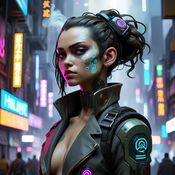
Neo-noir cyber grit. Steel, circuitry, consequence.
Shinobi – Notes from the cutting room floor
Shinobi isn’t written to make you feel safe. It’s a city crawl through wet neon where every upgrade leaves a ledger entry on your soul. Enzo and the crew don’t “win” – they trade blows with bigger systems and keep enough of themselves intact to try again tomorrow. The action plays like drumline chaos in a thunderstorm – tight, mean, and always personal.
We move from heists to tower runs to back-alley clinics where loyalty is a currency you spend by bleeding. Villains level up with you. Scars get dialogue. And between set-pieces we make room for motel-room silences – the kind where a character stares at a bandage and finally tells you why they keep fighting.
The Midnight Sushi House
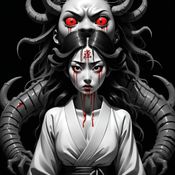
Doors open at midnight. Souls pay what memory cannot.
The Midnight Sushi House – The door is where the hunger is
The House opens at midnight and never in the same place twice. Time is elastic here – 1892 fog, post-war ash, late-80s neon – because grief doesn’t care about calendars. Each story is a course served with a price you won’t see until the plate’s clean. Hitoshi is the constant: precise, gentle, tidal.
Folklore braids to urban legend. Objects recur. Debts echo. Names return as whispers. If you’re the kind who spots a jar on a shelf and knows what’s inside from another story entirely… that’s the Vault saying hello.

The Chapel
Thirteen bells. A door below. Faith meets something that remembers your name.
The Chapel – Thirteen bells & a door below
The Chapel follows those called back to a repaired church whose foundations don’t agree on what century it is. Candles gutter to a rhythm, mirrors breathe, and the crypt keeps inviting names that were never written in the parish book. Detective Harris and Sister Agnes work the liminal space between testimony and apparition – two witnesses trying to outpace a liturgy that writes itself.
The public page ends here. The Vault keeps going.
If the Dispatch pulled you in, the Members Vault is where the deeper horror stories, hidden files, and monthly drops live.
What people felt after a drop
Later we’ll surface the reactions that matter: panic, nostalgia, the one image that wouldn’t leave, the sentence that felt like it was aimed at them. Not reviews. Evidence.
Kane Parsons’ Backrooms (2026)
A liminal nightmare built from empty rooms, dead fluorescent light, and the awful feeling that the way out stopped existing the moment you crossed the threshold.
Review – The Horror of Getting Lost Where Nothing Should Exist
Backrooms understands that some places are terrifying because they feel almost normal. The endless yellow rooms, humming lights, stained carpets, and office-like emptiness create a nightmare that does not need shadows to work. It feels abandoned, but not empty. That difference is where the fear lives.
Kane Parsons brings the viral liminal nightmare to the screen with the same uneasy patience that made the original concept so effective. The horror is not built around monsters jumping into frame every few minutes. It comes from distance, repetition, and the awful feeling that every hallway is leading you deeper into a place that has no interest in letting you leave.
What makes this especially strong is the texture. The rooms feel manufactured and rotting at the same time, like a memory of a building that was never real. The lighting is sickly, the silence is wrong, and the camera makes every corner feel like a decision the characters will regret. Even when nothing is happening, the movie keeps pressing on your nerves.
The best version of Backrooms horror is not about explaining the maze. It is about making the audience feel trapped inside it. This works because it refuses to make the nightmare comfortable or overly heroic. The characters are not entering a haunted house with rules. They are falling into an impossible space where the rules were erased long before they arrived.
The Best Horror Anime to Watch on Crunchyroll Right Now
Cursed villages, ghost sightings, body horror, folklore nightmares, and supernatural dread for nights when comfort anime is not enough.
Uzumaki — Spiral Curse, Cosmic Dread
Junji Ito’s spiral nightmare is the perfect visual anchor for this section: black-and-white terror, body horror, obsession, and a town slowly folding into something impossible.
Explore More Top Lists
Curated by BitChamp. Availability varies by region and changes over time. Want more deep-cut lists and monthly story drops? Join the Members Vault.